01 · the problem
Three problems arrived together. Sales and revenue fell because a shop that depends on foot traffic has nothing when there is no foot traffic. The business had no way to reach anybody outside the range of its physical locations, so the customer base was capped by geography at exactly the moment geography stopped working. And inventory could not be tracked, which is survivable when everything is on a shelf you can see and is not survivable the moment orders arrive from somewhere else.
02 · what i built
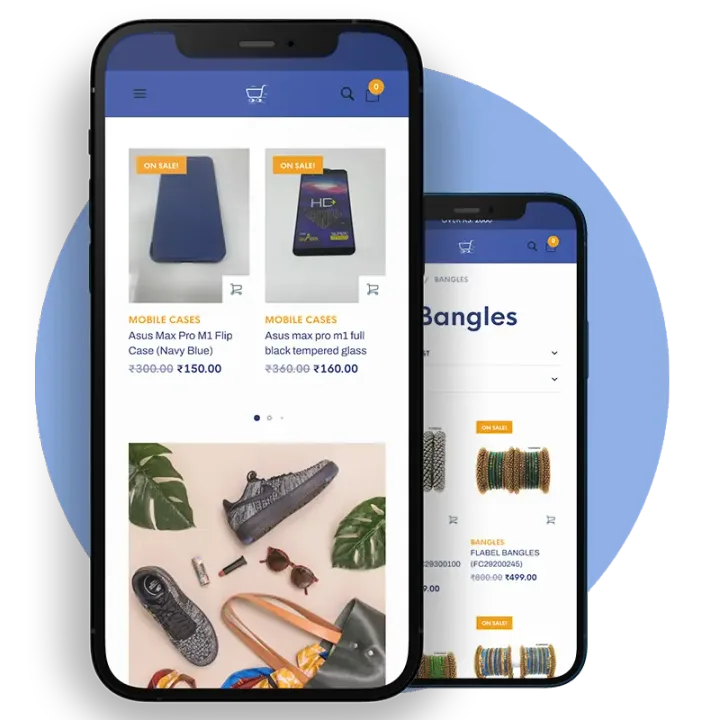
A full commerce platform rather than a brochure site. The store was built on WordPress and WooCommerce, chosen because it had to be handed over and run by the client rather than maintained by an agency forever. Indian payment reality was covered properly: credit cards, debit cards, online wallets and net banking, since a checkout that only takes cards loses a real share of this market. Shipping, inventory management and point-of-sale integration were automated so the shop floor and the website could not disagree about stock. Beyond the storefront came the pieces a traditional retailer does not know to ask for: affiliate marketing, analytics and site insights, guest checkout for the customers who will not make an account, and order tracking. A companion mobile app let the owners manage orders from a phone rather than from a desk.
- A storefront the client can run
- Built on WordPress and WooCommerce so the business owns and operates it, rather than depending on an agency for every change to a price or a product.
- Payments as they are actually made here
- Credit cards, debit cards, online wallets and net banking. In this market a card-only checkout quietly turns customers away.
- Stock that reconciles
- Shipping, inventory and point-of-sale integration automated together, so the website and the shop floor cannot sell the same item twice.
- Guest checkout
- Buying without making an account, because a first-time customer who came for one thing will abandon a registration form.
- Orders from a phone
- A companion mobile app for tracking orders and managing the store away from a desk, which is where a shopkeeper actually is.
- Analytics and affiliates
- Site insights and an affiliate programme, the growth machinery a retailer who has only ever sold in person has no reason to have built.
03 · what happened
The store doubled the number of customers, tripled repeat orders, and returned 350% on what was spent building it.
- 2xincrease in customers
- 3xrepeat orders