01 · the problem
By the time Protorix was brought in, iLearnTamil was running thousands of students and a large teaching staff on a back office made of manual work. Classes were scheduled by hand. Teachers were allocated to students by hand. Payments were collected and chased by hand. All of it across a student base spread over several countries and every time zone between them, on a schedule where a missed allocation is a lesson that does not happen. The web presence was already strong; what was missing was software underneath it.
02 · what i built
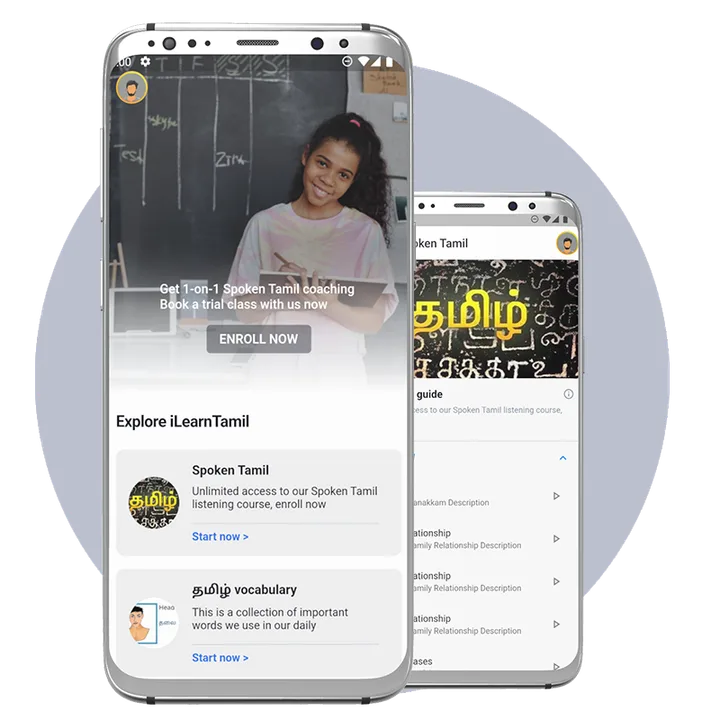
A cross-platform app for Android and iOS, with the administrative load moved into software rather than onto a bigger back office. The piece that mattered most was automatic student-teacher allocation: the system splits students into groups and schedules them against whichever teachers are available, which is the job that had been consuming the most staff time and the one that fails most visibly when a human misses it. A content management layer pulls lesson video from YouTube, Vimeo, local storage and other cloud services into one library instead of a manual upload process, so recorded courses could be served to many students at once. Recurring payments and Google Analytics were wired in so billing and engagement stopped being questions somebody had to go and answer.
- Automatic student-teacher allocation
- Students are split into groups and scheduled against available teachers by the system rather than by a coordinator. This was the single largest drain on staff time before it existed.
- Aggregated content library
- Lesson video pulled in from YouTube, Vimeo, local storage and cloud services and curated into one catalogue, so recorded courses could be reached by many students without a manual upload per lesson.
- Recurring payments
- Subscription billing wired in directly, which took collection off the staff and took the drop-offs that come with chasing a payment out of the funnel.
- One app, both platforms
- A single Flutter codebase for Android and iOS, built so a family in Germany and a family in Singapore are using the same product on whatever they own.
- Engagement analytics
- Google Analytics wired through the app so engagement and retention were readable by the people running the business, including for the recorded courses.
03 · what happened
Student engagement rose 28%, the catalogue grew past 100 text, audio and video courses, and the platform onboarded more than 2,000 paid students.
- 28%increase in student engagement
- 100+text, audio and video courses
- 4continents in the student base